Ultimate CPAP Mask Guide: Best Types & Fit for Australians
Jan 15 2026 Respiratory Health best cpap masks cpap mask online cpap masks cpap masks australiaFinding the right CPAP mask is the single most important factor in successfully treating Obstructive Sleep Apnea (OSA). For many Australians starting their sleep therapy journey, the sheer variety of masks—ranging from minimalist nasal pillows to full-face coverage—can be overwhelming.
The goal of this guide is to bridge the gap between clinical requirements and personal comfort. Whether you are a side sleeper, have a beard, or breathe through your mouth, selecting a mask that creates an airtight seal without causing discomfort is the key to long-term compliance and better health outcomes.
What is a CPAP Mask and Why Does It Matter?
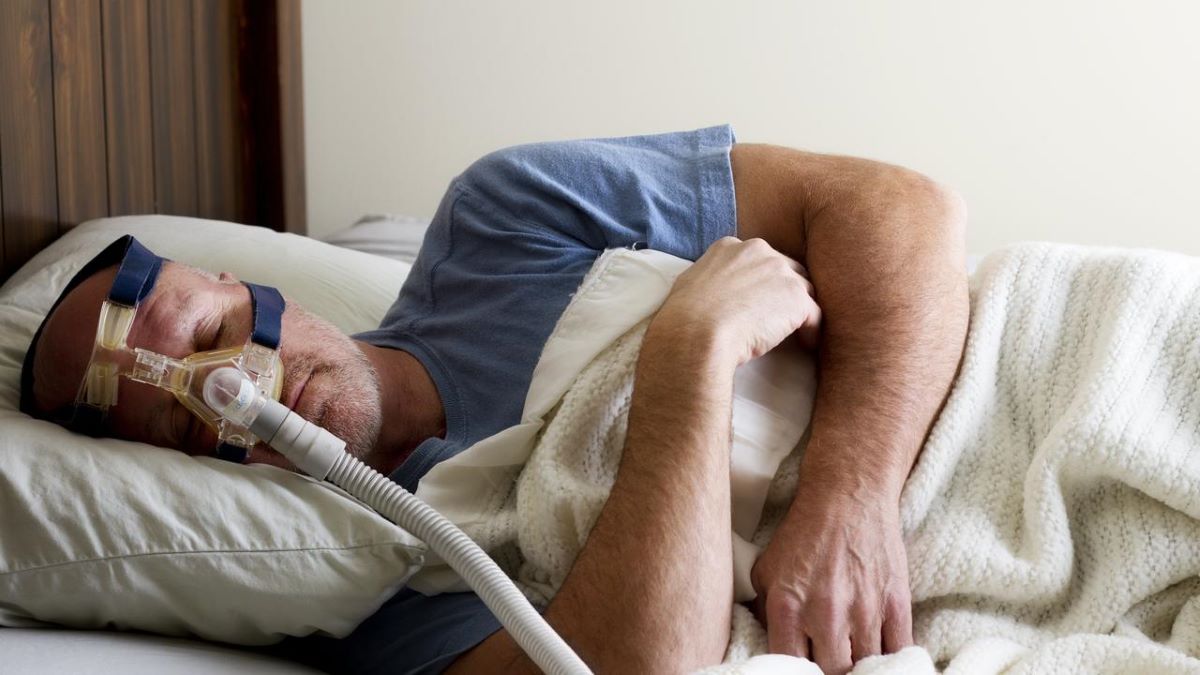
A Continuous Positive Airway Pressure (CPAP) mask is the interface between your sleep apnea machine and your airway. It delivers a pressurized stream of filtered air that acts as a “pneumatic splint,” keeping your upper airway open while you sleep.
In Australia, where sleep disorders affect millions, the quality of your mask determines whether your therapy is effective. A poorly fitted mask leads to air leaks, which reduces the pressure delivered to your lungs and often results in dry eyes, noisy operation, and skin irritation.
The Mechanics of Airflow Delivery
The mask works by creating a pressurized environment. When the seal is broken, the machine often ramps up its output to compensate, leading to excessive noise and a “wind tunnel” effect that disrupts sleep for both the user and their partner.
Exploring the Best CPAP Masks: Core Types
Choosing the best CPAP masks depends heavily on your breathing habits and sleep position. There are three primary categories used in Australian clinical practice:
1. Nasal Pillow Masks
These are the most minimalist options available. They feature small silicone “pillows” that rest at the entrance of the nostrils.
- Best for: Active sleepers, people with claustrophobia, and those with facial hair.
- Pros: Minimal contact with the face; clear line of sight for reading or watching TV.
- Cons: Can be uncomfortable at high pressure settings; not suitable for mouth breathers.
2. Nasal Masks
A nasal mask covers the entire nose, from the bridge to the upper lip. It is a middle-ground option that provides more stability than pillows.
- Best for: Most CPAP users who can keep their mouths closed during sleep.
- Pros: Handles higher pressure better than pillows; variety of fits for different nose shapes.
- Cons: Can cause irritation on the bridge of the nose; requires a chin strap if your mouth drops open.
3. Full Face Masks
These masks cover both the nose and the mouth. They are the standard for those who breathe through their mouth or suffer from frequent nasal congestion.
- Best for: Mouth breathers, seniors, and those with allergies or sinus issues.
- Pros: Most versatile; effective regardless of how you breathe.
- Cons: Bulkier; higher chance of leaks due to larger surface area.
How to Choose the Right CPAP Mask for Your Sleeping Style
Your sleep position is a primary driver in mask selection. If you choose a mask that isn’t compatible with your movements, you will likely experience leaks every time you shift.
Side Sleepers
Side sleepers need masks with a low profile or soft, flexible headgear. Thick frames can be pushed out of place by the pillow. Nasal pillows or “under-the-nose” full-face masks are often recommended.
Back Sleepers
Back sleepers have the widest range of options. Since the pillow does not interfere with the mask frame, they can comfortably wear larger, high-stability full-face masks.
Stomach Sleepers
This is the most challenging position. Stomach sleepers require a very low-profile mask, usually a nasal pillow, to prevent the mask from being driven into the face by the weight of the head.
| Feature | Nasal Pillows | Nasal Mask | Full Face Mask |
| Contact Area | Low | Medium | High |
| Mouth Breathing | No | No | Yes |
| High Pressure | No | Yes | Yes |
| Field of Vision | Wide | Moderate | Restricted |
Step-by-Step: Fitting Your Mask for an Airtight Seal
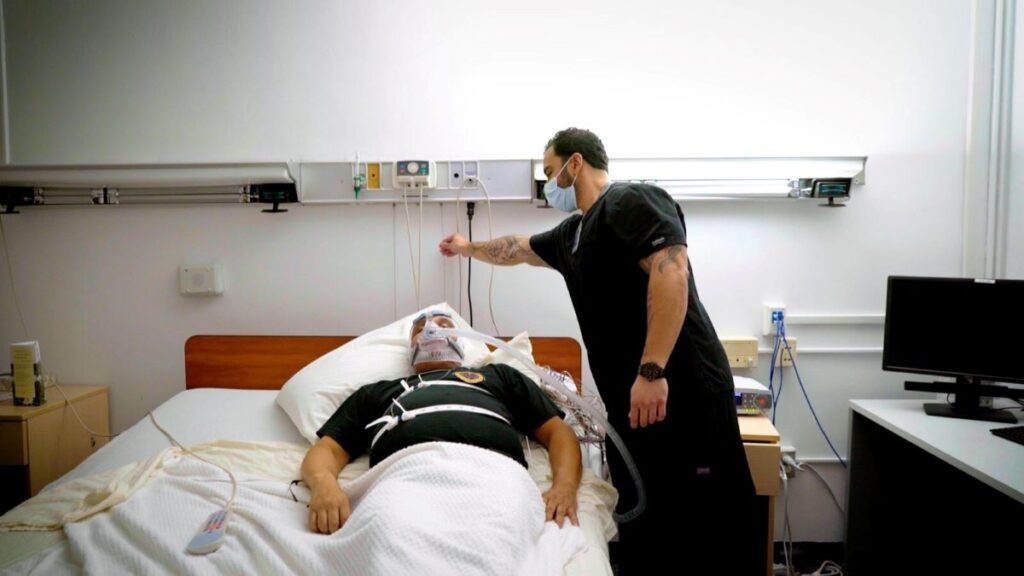
Achieving the perfect fit is an art. Follow this framework to ensure your CPAP mask is set up correctly:
- Select the Right Cushion Size: Most masks come with a sizing gauge. Ensure the cushion encompasses the nose or mouth without obstructing the eyes.
- Fit While Lying Down: Your facial muscles change shape when you lie down. Always adjust your straps in your actual sleeping position.
- Adjust from the Bottom Up: Secure the lower straps first to stabilize the mask, then tighten the upper straps just enough to prevent leaks.
- The Two-Finger Rule: You should be able to slide two fingers under the headgear straps. Over-tightening is a common mistake that leads to pressure sores.
- Run the “Mask Fit” Feature: Most modern machines (like those from ResMed or Fisher & Paykel) have a “Mask Fit” setting that blows air at a higher pressure to help you identify leaks before you go to sleep.
Benefits of a High-Quality CPAP Mask Fit
Investing time in finding the right fit yields significant health and lifestyle benefits:
- Increased Compliance: You are more likely to wear the mask all night if it is comfortable.
- Consistent Therapy: No leaks mean your AHI (Apnea-Hypopnea Index) remains low.
- Improved Energy Levels: Better sleep quality leads to improved cognitive function and daytime alertness.
- Silent Operation: A good seal minimizes the “hissing” sound of escaping air.
Common Mistakes and How to Avoid Them
Even with the best CPAP masks, users often run into hurdles. Here is how to navigate them:
- Overtightening the Straps: This is the #1 mistake. It crushes the silicone cushion, making it less effective at sealing and causing skin breakdown. If you have to pull it tight to stop a leak, the mask is the wrong size or type.
- Using an Old Cushion: Silicone degrades over time due to facial oils. Replace your cushion every 3–6 months to maintain the seal.
- Ignoring Skin Irritation: If you develop rashes, look into mask liners or hypoallergenic cushions. Do not “tough it out.”
- Forgetting to Clean: Build-up on the mask will cause it to slide and leak. Use a mild, fragrance-free soap daily.
Advanced Tips for Long-Term Success
- Use a CPAP Pillow: These pillows have cut-outs on the sides to accommodate the mask frame, preventing it from being dislodged when you sleep on your side.
- Nasal Dilators or Sprays: If you use a nasal mask but struggle with congestion, using a saline spray before bed can help maintain clear airways.
- Humidification: Australian climates vary wildly. Use your machine’s heated humidifier to prevent “rainout” (condensation) in your mask, which can cause gurgling sounds and wake you up.
Frequently Asked Questions (FAQ)
How often should I replace my CPAP mask?
In Australia, it is generally recommended to replace the entire mask system every 6–12 months, and the silicone cushions every 3–6 months. This ensures the material remains flexible and hygienic.
Can I wear a CPAP mask if I have a beard?
Yes. Men with facial hair often find that nasal pillows work best because they seal at the nostril. If a full-face mask is required, look for “memory foam” cushions which conform better to hair than standard silicone.
Why does my mask leak into my eyes?
Leaks at the top of the mask are usually due to the mask sitting too high on the nasal bridge or the upper straps being too loose. It can also happen if the cushion is worn out.
What do I do if I feel claustrophobic?
Start by wearing the mask during the day while watching TV to desensitize yourself. Using a minimalist nasal pillow mask can also reduce the feeling of being “closed in.”
Is there a difference between “male” and “female” masks?
“For Her” versions typically feature smaller headgear sizes and floral accents, but the therapeutic technology remains the same. Choose based on your actual head measurements.
Conclusion
Selecting the right CPAP mask is a personal journey that requires a balance of clinical necessity and individual comfort. By understanding the differences between nasal pillows, nasal masks, and full-face options, Australians can significantly improve their sleep therapy outcomes. Remember that the “best” mask is the one you can wear comfortably for 7+ hours every night.
Recent Posts

Home Healthcare 2.0: How Digital Monitoring is Changing Chronic Care
The Australian healthcare landscape is undergoing a seismic shift. We are moving away from the traditional model of reactive, hospital-centric treatment toward a proactive, “always-on” ecosystem known as Home Healthcare 2.0. This evolution is driven by the integration of remote patient monitoring (RPM) and sophisticated digital platforms that turn a patient’s home into a high-tech care hub. For the millions of Australians living with long-term conditions, this isn’t just about …Read More »
Ultimate CPAP Mask Guide: Best Types & Fit for Australians
Finding the right CPAP mask is the single most important factor in successfully treating Obstructive Sleep Apnea (OSA). For many Australians starting their sleep therapy journey, the sheer variety of masks—ranging from minimalist nasal pillows to full-face coverage—can be overwhelming. The goal of this guide is to bridge the gap between clinical requirements and personal comfort. Whether you are a side sleeper, have a beard, or breathe through your mouth, …Read More »
How Often to Clean Your Aerobika Device: A Practical Guide for Maintenance and Hygiene
Introduction Proper maintenance and hygiene are crucial for ensuring the effectiveness and longevity of your Aerobika device. Whether you use it as an OPEP device for mucus clearance or as part of your PEP therapy, regular cleaning is essential for keeping it in optimal condition. In this article, we’ll guide you through how often to clean your Aerobika device, provide a step-by-step cleaning routine, and explain the importance of proper …Read More »
Choosing the Right CPAP Machine: A Complete Buyer’s Guide for Better Sleep
Sleep is essential for overall health, yet millions of adults struggle with sleep apnea—a common sleep disorder that disrupts breathing during rest. Continuous Positive Airway Pressure (CPAP) machines have become the gold standard for managing sleep apnea. Choosing the right CPAP machine can dramatically improve sleep quality, prevent complications, and support long-term health. This guide will help you understand CPAP therapy, compare machine types, and offer practical tips for getting …Read More »
Where to Buy Aerobika in Australia and What It Costs
What Is Aerobika and How Does It Work? Aerobika is a drug-free, portable respiratory therapy device designed to help people with breathing difficulties clear mucus from their lungs naturally. Unlike medication-based treatments, this handheld device uses mechanical pressure to loosen and mobilise secretions, making it easier to breathe and reducing the burden on your respiratory system. Understanding OPEP Technology The Aerobika device function centres on Oscillating Positive Expiratory Pressure (OPEP) …Read More »