Home Healthcare 2.0: How Digital Monitoring is Changing Chronic Care
Mar 01 2026 Air Liquid Australia healthcare chronic disease management diabetes management digital health platforms E-E-A-T SEO health data analytics Home Healthcare 2.0 home oxygen therapy medical technology patient outcomes Remote patient monitoring respiratory therapy sleep apnea telehealth value-based careThe Australian healthcare landscape is undergoing a seismic shift. We are moving away from the traditional model of reactive, hospital-centric treatment toward a proactive, “always-on” ecosystem known as Home Healthcare 2.0. This evolution is driven by the integration of remote patient monitoring (RPM) and sophisticated digital platforms that turn a patient’s home into a high-tech care hub.
For the millions of Australians living with long-term conditions, this isn’t just about convenience; it’s about survival and quality of life. By shifting from simple product delivery—like dropping off an oxygen tank—to integrated chronic disease management solutions, the healthcare industry is finally addressing the “value-based care” mandate.
See more: Ultimate CPAP Mask Guide: Best Types & Fit for Australians
What is Home Healthcare 2.0?
Home Healthcare 2.0 is the transition from episodic, manual home care to continuous, data-driven health management. In the “1.0” era, a patient might receive a piece of equipment (like a CPAP machine or a glucose monitor) and check in with a doctor every six months.
In Home Healthcare 2.0, that equipment is part of a connected network. Remote patient monitoring allows real-time data to flow from the patient’s home directly to clinical dashboards. This ensures that interventions happen the moment a vital sign trends in the wrong direction, rather than weeks later during a scheduled appointment.
The Shift from Products to Solutions
In the past, home oxygen therapy meant managing cylinders and flow rates manually. Today, “Smart Oxygen” systems monitor saturation levels ($SpO_2$) and usage patterns, alerting clinicians if a patient’s respiratory function declines. This move toward integrated “solutions” is what Google’s E-E-A-T guidelines now prioritize: expertise that provides actual health outcomes rather than just selling hardware.
The Core Pillars of Digital Chronic Disease Management
Effective chronic disease management in 2026 relies on three technological pillars that work in tandem to keep Australians out of hospital emergency departments.
1. Remote Patient Monitoring (RPM)
RPM involves the use of digital technologies to collect medical and other forms of health data from individuals in one location and electronically transmit that information securely to health care providers in a different location for assessment and recommendations.
Examples: Bluetooth-enabled blood pressure cuffs, wearable ECG monitors, and smart scales.
2. Integrated Digital Health Platforms
Data is useless if it exists in a silo. Modern platforms aggregate data from various devices—monitoring sleep apnea events alongside blood glucose levels—to provide a holistic view of the patient’s health.
3. Predictive Analytics and AI
By applying algorithms to the steady stream of data, providers can predict “exacerbations” (sudden worsening of symptoms). For a patient with COPD, a slight increase in respiratory rate and a dip in activity levels can trigger a proactive telehealth call before a crisis occurs.
Benefits of the Digital Monitoring Revolution
The transition to a digitally-led home care model offers measurable improvements for both patients and the overstretched Australian healthcare system.
Benefit CategoryImpact of Home Healthcare 2.0Clinical OutcomesEarly detection of irregularities reduces 30-day hospital readmission rates.Patient AutonomyIndividuals gain a deeper understanding of their condition through real-time feedback.Resource EfficiencyReduces the burden on GPs and hospital beds by managing stable patients at home.Geographic EquityProvides high-level specialist monitoring to rural and remote Australian communities.
Real-World Use Cases: Sleep Apnea and Diabetes
The most profound impact of Home Healthcare 2.0 is seen in complex conditions where daily management is critical.
Integrated Sleep Care
For sleep apnea patients, the “2.0” approach goes beyond the CPAP machine. Integrated platforms now monitor:
Mask Leakage: Automated alerts help patients adjust fit in real-time.
Efficacy Data: Clinicians can remotely adjust pressure settings ($cmH_2O$) without the patient needing to visit a clinic.
Comorbidity Tracking: Monitoring how sleep quality affects blood pressure and daytime fatigue.
Smart Diabetes Management
The shift to remote patient monitoring in diabetes has been revolutionary. Continuous Glucose Monitors (CGM) now sync with “Digital Twin” software that predicts how a specific meal or exercise session will impact glucose levels ($mmol/L$). This allows for “precision nutrition” and immediate insulin adjustments, significantly lowering $HbA1c$ levels over time.
The Framework for Successful RPM Implementation
Implementing a Home Healthcare 2.0 strategy requires a structured approach to ensure data security and clinical efficacy.
Patient Selection: Identifying candidates who are at high risk of hospitalisation but are capable of using basic digital interfaces.
Device Provisioning: Deploying medical-grade sensors that are TGA-approved (Therapeutic Goods Administration).
Baseline Calibration: Establishing the patient’s “normal” ranges for heart rate, oxygen, and glucose.
Continuous Monitoring: 24/7 data transmission to a centralized clinical monitoring centre.
Tiered Intervention: * Green: Stable, no action needed.
Amber: Data drift; automated prompt sent to patient.
Red: Critical threshold reached; immediate clinical contact.
Best Practices for Australian Healthcare Providers
To succeed in the “2.0” era, providers must look beyond the tech and focus on the human element:
Prioritize Interoperability: Ensure home devices can talk to My Health Record and GP software.
Focus on Data Literacy: Educate patients not just on how to use the device, but why the data matters.
Enhance Cybersecurity: With the rise of digital health, protecting sensitive patient data is paramount to maintaining trust.
“The goal of digital monitoring is not to replace the doctor-patient relationship, but to provide the data that makes that relationship more effective.” — Senior Strategist Insight
Common Mistakes in Remote Care (and How to Avoid Them)
Information Overload: Sending too many alerts to clinicians can lead to “alarm fatigue.” Solution: Use AI to filter out noise and only escalate clinically significant data.
The Digital Divide: Assuming all patients have high-speed NBN or tech savvy. Solution: Use devices with built-in 4G/5G SIM cards that require zero setup from the patient.
Fragmented Care: Using different apps for every condition. Solution: Adopt a single, unified digital health platform for the patient.
Frequently Asked Questions (FAQ)
What is the difference between telehealth and remote patient monitoring?
Telehealth is a digital consultation (video call), whereas remote patient monitoring is the continuous collection and transmission of health data from the home to a clinic.
Is remote monitoring covered by Medicare in Australia?
Many RPM activities fall under Chronic Disease Management (CDM) plans. Recent MBS (Medicare Benefits Schedule) updates have increased support for video-based reviews and certain monitoring services.
How does digital monitoring improve home oxygen therapy?
It allows for “Smart Oxygen” management, where clinicians can monitor usage patterns and blood oxygen levels remotely to ensure the patient is receiving the correct dosage ($L/min$) at all times.
Can digital platforms help with both diabetes and sleep apnea at once?
Yes. Integrated platforms are designed to manage “multimorbidity,” showing how a poor night’s sleep (apnea) might lead to higher insulin resistance the next day (diabetes).
Is my health data secure in Home Healthcare 2.0?
In Australia, digital health providers must comply with the Privacy Act 1988 and the My Health Records Act 2012, ensuring bank-level encryption for all transmitted medical data.
Conclusion: The Future of Australian Care
Home Healthcare 2.0 is no longer a futuristic concept—it is the current standard for high-quality chronic disease management. By embracing remote patient monitoring and integrated digital platforms, Australia is building a healthcare system that is more resilient, equitable, and effective.
The shift from reactive “oxygen delivery” to proactive “respiratory solutions” represents a win for everyone: patients live longer, more independent lives, and the healthcare system becomes more sustainable.
Internal Linking Suggestions:
Learn more about our [Chronic Disease Management Solutions].
Explore our range of [Remote Patient Monitoring Devices].
How [Home Oxygen Therapy] is evolving in the digital age.
Authoritative External References:
Australian Digital Health Agency (ADHA) – National Digital Health Strategy.
Australian Institute of Health and Welfare (AIHW) – Chronic Disease Reports.
Read More
Choosing the Right CPAP Machine: A Complete Buyer’s Guide for Better Sleep
Oct 28 2025 Sleep Apnea Treatment CPAP machines CPAP therapy healthy sleep sleep apnea sleep apnea complications sleep apnea treatments sleep disorders sleep health sleep medicine sleep quality sleep studySleep is essential for overall health, yet millions of adults struggle with sleep apnea—a common sleep disorder that disrupts breathing during rest. Continuous Positive Airway Pressure (CPAP) machines have become the gold standard for managing sleep apnea. Choosing the right CPAP machine can dramatically improve sleep quality, prevent complications, and support long-term health.
This guide will help you understand CPAP therapy, compare machine types, and offer practical tips for getting the most out of your treatment.
What is Sleep Apnea?
Sleep apnea is a condition where your airway becomes partially or fully blocked while sleeping, causing repeated pauses in breathing. These pauses reduce oxygen supply to the body, leading to fatigue, cardiovascular strain, and other health risks.
See more: What Is an Aerobika Device and How Does It Help With Mucus Clearance?
Common Symptoms of Sleep Apnea:
Loud snoring
Gasping or choking during sleep
Excessive daytime fatigue
Morning headaches
Mood swings or irritability
If left untreated, sleep apnea can increase the risk of high blood pressure, heart disease, stroke, and diabetes. A sleep study is the first step in diagnosing this condition and determining the best sleep apnea treatments.
How CPAP Machines Improve Sleep Quality
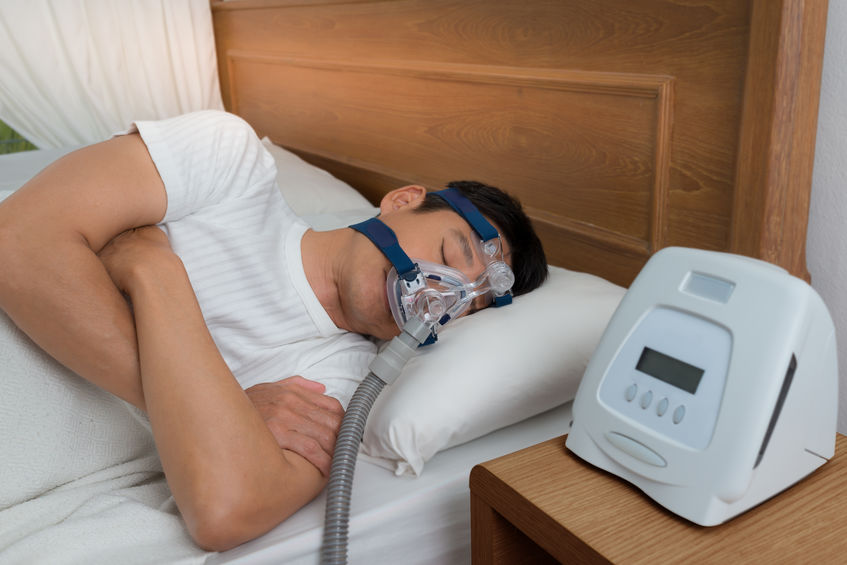
A CPAP machine delivers continuous, gentle air pressure through a mask to keep your airway open during sleep. This ensures steady oxygen flow, reduces apneas, and allows you to reach deeper, restorative stages of sleep.
Real-World Example:
Sarah, a 45-year-old teacher with moderate sleep apnea, struggled with daytime fatigue and concentration. After using a CPAP machine, she reported:
Improved focus and energy at work
Fewer nighttime awakenings
Lower blood pressure and reduced snoring
CPAP therapy not only restores normal breathing but also enhances overall sleep health and daily functioning.
Types of CPAP Machines
Choosing the right CPAP machine depends on your comfort preferences, breathing needs, and lifestyle. Here are the main types:
1. Standard CPAP
Delivers a fixed air pressure throughout the night
Best for patients with consistent sleep apnea patterns
2. Auto CPAP (APAP)
Adjusts air pressure automatically based on breathing patterns
Ideal for those with variable airway obstruction
3. Bi-level CPAP (BiPAP)
Provides different pressures for inhalation and exhalation
Suitable for patients with complex sleep apnea or other respiratory issues
4. Travel CPAP
Compact and lightweight
Convenient for frequent travelers or those with limited space
Key Features to Consider
When selecting a CPAP machine, consider the following:
Mask type: Full-face, nasal, or nasal pillow
Humidifier: Reduces nasal dryness
Pressure settings: Based on your sleep study results
Noise level: Look for quiet operation for uninterrupted sleep
Data tracking: Helps your sleep specialist monitor therapy effectiveness
Benefits of Using CPAP Machines
1. Improved Sleep Quality
CPAP machines allow uninterrupted sleep cycles, which enhances memory, focus, and mood.
2. Reduced Cardiovascular Risk
Sleep apnea increases heart strain due to oxygen drops. CPAP therapy:
Lowers blood pressure
Reduces irregular heartbeats
Minimizes risk of heart attack and stroke
3. Enhanced Daytime Energy
By preventing apneas and improving oxygen levels, CPAP users experience increased alertness and reduced daytime fatigue.
Tips for New CPAP Users
Starting CPAP therapy can feel overwhelming, but these tips can help:
Proper mask fitting: Ensures comfort and prevents leaks
Use a humidifier: Moist air prevents irritation
Clean the machine regularly: Maintains hygiene and performance
Side sleeping: Improves airflow and reduces snoring
Track progress: Many machines store data to help your sleep specialist adjust therapy
Lifestyle Changes That Support CPAP Therapy
Alongside CPAP use, simple lifestyle adjustments can further improve sleep apnea outcomes:
Maintain a healthy weight
Avoid alcohol and sedatives before bedtime
Exercise regularly
Stick to a consistent sleep schedule
Avoid heavy meals close to bedtime
Combining CPAP therapy with these changes enhances sleep quality and overall health.
The Role of Sleep Studies
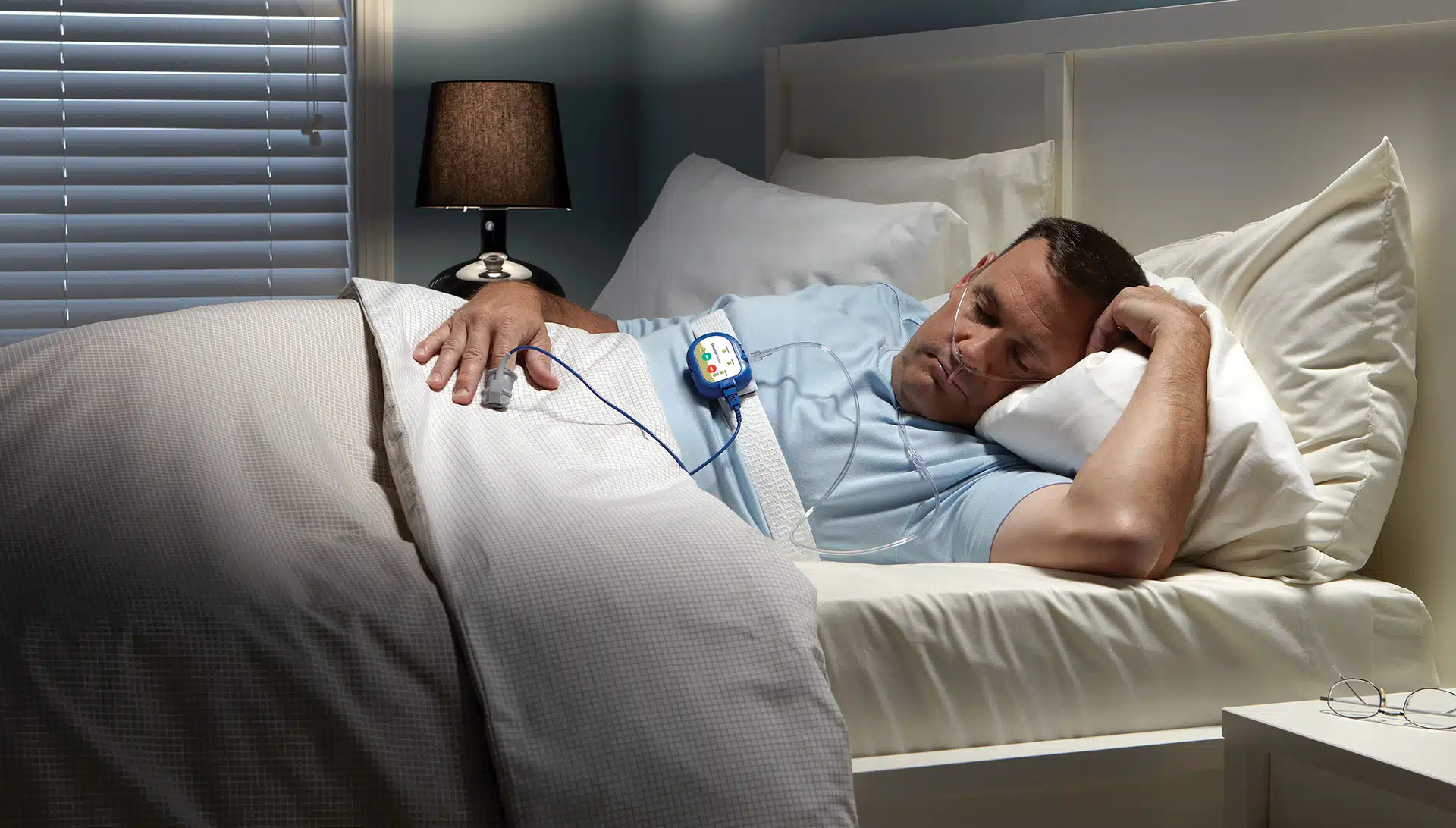
A sleep study is essential to diagnose sleep apnea and determine the right CPAP settings. During the study, specialists monitor oxygen levels, heart rate, breathing patterns, and sleep cycles. Personalized results ensure effective treatment and optimal machine settings.
Conclusion
Choosing the right CPAP machine is critical for improving sleep quality and preventing complications of sleep apnea. By maintaining steady airflow, enhancing oxygen levels, and supporting heart health, CPAP therapy transforms both nighttime rest and daytime performance.
If you suspect sleep apnea, consult a sleep specialist. A sleep study and the right CPAP machine can make a significant difference in your health and overall quality of life.
FAQS
How does a CPAP machine work for sleep apnea? A CPAP machine delivers steady air pressure to keep the airway open, preventing breathing pauses. This improves oxygen flow, allowing deeper, restorative sleep and reducing symptoms like fatigue and snoring. Can CPAP therapy reduce heart disease risk? Yes. By preventing oxygen drops and reducing strain on the heart, CPAP therapy lowers blood pressure and reduces the risk of heart attack, stroke, and other cardiovascular complications associated with sleep apnea. What type of CPAP machine is best for beginners? For most beginners, a standard or auto-adjusting CPAP (APAP) is ideal. Auto CPAP machines adjust air How do I choose the right mask for CPAP therapy? Masks come in full-face, nasal, and nasal pillow styles. Comfort, fit, and the way you breathe at night are key factors. A well-fitting mask prevents air leaks and improves treatment effectiveness.
Read MoreRecent Posts

Home Healthcare 2.0: How Digital Monitoring is Changing Chronic Care
The Australian healthcare landscape is undergoing a seismic shift. We are moving away from the traditional model of reactive, hospital-centric treatment toward a proactive, “always-on” ecosystem known as Home Healthcare 2.0. This evolution is driven by the integration of remote patient monitoring (RPM) and sophisticated digital platforms that turn a patient’s home into a high-tech care hub. For the millions of Australians living with long-term conditions, this isn’t just about …Read More »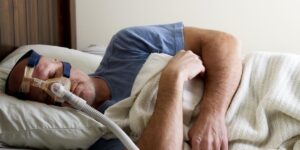
Ultimate CPAP Mask Guide: Best Types & Fit for Australians
Finding the right CPAP mask is the single most important factor in successfully treating Obstructive Sleep Apnea (OSA). For many Australians starting their sleep therapy journey, the sheer variety of masks—ranging from minimalist nasal pillows to full-face coverage—can be overwhelming. The goal of this guide is to bridge the gap between clinical requirements and personal comfort. Whether you are a side sleeper, have a beard, or breathe through your mouth, …Read More »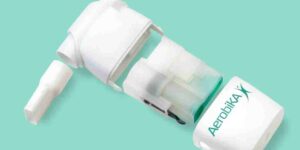
How Often to Clean Your Aerobika Device: A Practical Guide for Maintenance and Hygiene
Introduction Proper maintenance and hygiene are crucial for ensuring the effectiveness and longevity of your Aerobika device. Whether you use it as an OPEP device for mucus clearance or as part of your PEP therapy, regular cleaning is essential for keeping it in optimal condition. In this article, we’ll guide you through how often to clean your Aerobika device, provide a step-by-step cleaning routine, and explain the importance of proper …Read More »
Choosing the Right CPAP Machine: A Complete Buyer’s Guide for Better Sleep
Sleep is essential for overall health, yet millions of adults struggle with sleep apnea—a common sleep disorder that disrupts breathing during rest. Continuous Positive Airway Pressure (CPAP) machines have become the gold standard for managing sleep apnea. Choosing the right CPAP machine can dramatically improve sleep quality, prevent complications, and support long-term health. This guide will help you understand CPAP therapy, compare machine types, and offer practical tips for getting …Read More »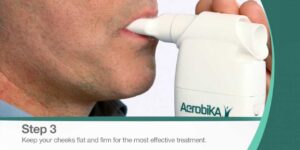
Where to Buy Aerobika in Australia and What It Costs
What Is Aerobika and How Does It Work? Aerobika is a drug-free, portable respiratory therapy device designed to help people with breathing difficulties clear mucus from their lungs naturally. Unlike medication-based treatments, this handheld device uses mechanical pressure to loosen and mobilise secretions, making it easier to breathe and reducing the burden on your respiratory system. Understanding OPEP Technology The Aerobika device function centres on Oscillating Positive Expiratory Pressure (OPEP) …Read More »